


Bodrum Seafront Properties: Waterfront Villas and Coastal Ownership Explained
Seafront properties in Bodrum operate within a category of their own. They are not simply homes near the coast, but assets defined by limited access, regulatory control, and long-term demand. Because of this, buyers are not selecting from a broad inventory. They are competing for a fixed position within a restricted segment.
This changes the entire buying logic. Standard comparisons such as interior size or finishes become secondary. Instead, location, access, and legal positioning determine both value and long-term relevance.
Because of this structure, choosing the right coastal position has a greater impact than choosing the property itself.
What Defines Seafront Property in Bodrum
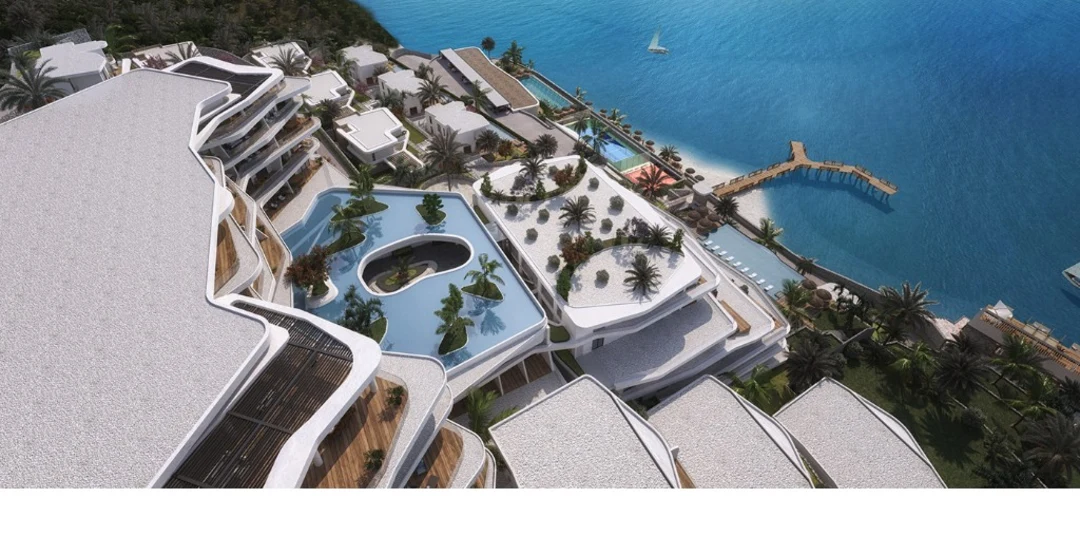
In Bodrum, not every property near the sea qualifies as true seafront real estate. The defining factor is direct and usable access to the coastline, combined with legal rights attached to that land. Properties that only offer sea views fall into a different category, even if they appear similar visually.
This distinction becomes critical over time. During resale or long-term holding, buyers prioritise access and positioning over visual appeal. A property with confirmed coastline access will always outperform one that simply overlooks the water.
Understanding this difference early prevents mispricing and ensures the asset holds its relevance within the market.
For a broader perspective on how different areas behave, review the Bodrum real estate guide.
Why Seafront Properties Are Structurally Limited
The supply of seafront properties in Bodrum is not flexible. Coastal zoning laws, environmental protections, and existing development restrict the creation of new inventory. As a result, the number of available properties remains largely fixed.
Unlike inland markets, where new projects can expand supply, seafront areas do not grow with demand. This creates a structural imbalance. When demand increases, prices adjust rather than supply.
Over time, this scarcity becomes the main driver of value. Buyers are not only purchasing a property, but also securing a position that cannot easily be replicated.
Pricing Logic for Waterfront Villas
Pricing within the seafront segment follows a different logic than the broader market. Location is the primary driver, while physical features play a secondary role. Two properties with similar layouts can vary significantly in price depending on their exact coastal position.
Factors such as direct water access, privacy, orientation, and surrounding development have a stronger impact than size or interior specifications. A smaller villa with superior positioning may outperform a larger property in a less exclusive location.
Buyers who evaluate pricing based on traditional metrics often misjudge value. Understanding micro-location dynamics is essential.
For a detailed view of how pricing behaves across the region, see the Bodrum market overview.
Another factor that influences pricing is long-term positioning within the coastline. Properties located in areas with limited surrounding development tend to retain their value more consistently. In contrast, locations with higher construction density may experience slower appreciation despite similar initial pricing.
Buyers should therefore not only evaluate the property itself, but also the development profile of the surrounding area. A well-positioned villa within a protected or low-density zone offers stronger long-term stability than properties in areas where expansion is still ongoing.
This distinction becomes more visible over time, particularly when comparing resale performance across different coastal segments.
Buyer Reality and Coastal Restrictions
Owning seafront property in Bodrum involves additional considerations beyond standard real estate transactions. Legal boundaries, public access rights, and construction limitations can affect how the property is used.
These restrictions are not always immediately visible. Buyers must verify land ownership, shoreline access, and permitted usage before making a decision. Ignoring these elements can lead to limitations that reduce long-term usability.
Understanding these constraints allows buyers to distinguish between properties that are truly premium and those that simply appear attractive at first glance.
In addition to legal boundaries, practical access also plays a role. Some properties may technically qualify as seafront, yet have limited or shared access that reduces usability. This can affect both personal use and resale perception.
Buyers should evaluate how access is experienced in practice, not only how it is defined legally. The difference between private, direct access and indirect or shared access can significantly influence long-term satisfaction and value.
Investment Perspective vs Lifestyle Value
Seafront properties are often viewed as high-value investments, but their strength lies in positioning rather than short-term returns. While rental income can support ownership, it is not the primary driver of value in this segment.
Demand for seafront assets is tied to exclusivity and long-term desirability. Buyers are typically securing a stable position within a limited market rather than targeting immediate yield.
This makes seafront property more comparable to a long-term holding than a high-turnover investment.
For a structured approach to evaluating long-term potential, review the Bodrum investment guide.
Market cycles also affect this segment differently. While broader markets may react quickly to economic shifts, seafront properties tend to show slower and more stable movement. Demand is less sensitive to short-term fluctuations, as buyers in this segment are often less dependent on financing conditions.
This stability does not eliminate risk, but it changes its nature. Instead of volatility, the primary consideration becomes entry quality. Buyers who enter at the right position are less exposed to market corrections than those who focus on timing.
How to Evaluate a Seafront Property Correctly
- Verified direct access to the coastline and legal confirmation of that access
- Level of privacy and the density of surrounding development
- Zoning regulations and long-term construction restrictions
- Demand strength within the specific micro-location
These factors define whether a property maintains its value over time or simply carries a temporary premium.
Positioning Your Purchase in a Limited Market
Buying seafront property in Bodrum is not about exploring a wide range of options. It is about identifying the right position within a limited and competitive segment. Each opportunity must be evaluated in the context of long-term relevance.
Buyers who prioritise access, location quality, and structural scarcity tend to secure assets that remain stable even as market conditions change.
Another consideration is long-term maintenance and surrounding infrastructure. Coastal exposure can affect building materials over time, and proximity to the sea may require higher maintenance standards. Buyers should factor these elements into their evaluation, especially when comparing properties across different price levels.
While these aspects do not reduce the value of seafront ownership, they influence the overall cost and management of the property. Understanding them early helps avoid unexpected challenges after purchase.
Available opportunities can be explored through Bodrum property listings.
