


Construction of Property in Turkey
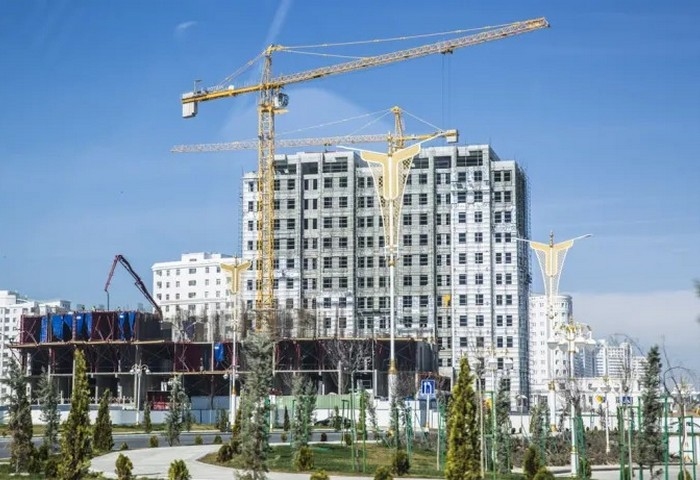
Building new property in Turkey offers investors the opportunity to create custom-designed properties, benefit from modern construction standards, and potentially achieve price advantages by purchasing during the construction phase. Whether constructing a personal villa, residential complex, or commercial development, understanding the construction process is essential for successful outcomes.
For international investors, new-build construction provides several advantages: modern design, better energy performance, customization options, and potential cost savings compared to completed properties. This guide explains the complete construction process from land selection to final handover.
Why Build New Property in Turkey
Constructing new property offers several advantages over purchasing existing properties:
- Modern Design and Standards: New construction incorporates modern design trends, energy efficiency standards, and contemporary finishes.
- Customization: Building new allows customization of layout, finishes, and features to match your preferences.
- Price Advantages: Purchasing during construction often provides price advantages compared to completed properties.
- Warranty Protection: New construction comes with warranties covering defects and construction quality.
- Lower Maintenance: New properties require less immediate maintenance compared to older buildings.
For investors, new construction can also provide better rental appeal and higher resale values due to modern features and finishes.
Step 1: Land Selection and Purchase
The construction process begins with selecting and purchasing suitable land:
- Location Evaluation: Consider factors including accessibility, infrastructure, zoning, and future development plans.
- Zoning Verification: Verify that land is zoned for your intended use (residential, commercial, mixed-use).
- Development Rights: Confirm permitted building density, height restrictions, and development rights.
- Legal Due Diligence: Verify clean title, absence of liens or encumbrances, and proper ownership.
- Infrastructure Access: Ensure access to roads, utilities, and necessary infrastructure.
Land purchase requires the same legal due diligence as property purchase. For comprehensive legal protection, many investors engage a property lawyer in Turkey to verify land ownership and development rights.
Once land is purchased, you receive a TAPU (title deed) confirming ownership. For detailed information about the TAPU process, see our TAPU Title Deed in Turkey guide.
Step 2: Design and Architectural Planning
Design phase transforms your vision into buildable plans:
- Architectural Design: Professional architects create designs meeting your requirements and local regulations.
- 3D Visualization: Modern design tools provide 3D visualizations helping you visualize the finished property.
- Technical Specifications: Detailed specifications define materials, finishes, and construction standards.
- Regulatory Compliance: Designs must comply with building codes, zoning regulations, and local requirements.
- Cost Estimation: Detailed designs enable accurate cost estimation and budget planning.
Professional architects and designers ensure designs are both aesthetically pleasing and practically buildable within budget constraints.
Step 3: Permits and Regulatory Approvals
Before construction begins, multiple permits and approvals are required:
- Building Permit: Municipal building permits authorize construction and verify compliance with regulations.
- Zoning Approval: Confirmation that proposed construction complies with zoning regulations.
- Environmental Permits: Environmental impact assessments and permits may be required.
- Utility Connections: Approvals for water, electricity, and other utility connections.
- Construction License: Construction companies must hold proper licenses for construction activities.
Reputable construction companies handle permit applications and ensure all regulatory requirements are met. For investors, this process typically takes 2-4 months before construction can begin.
Step 4: Construction Contract and Payment Terms
Before construction begins, a detailed contract should be signed:
- Detailed Specifications: Contracts should specify all materials, finishes, and construction standards in detail.
- Payment Schedule: Payments tied to construction milestones protect your interests and ensure progress.
- Timeline Commitments: Contracts should include completion dates with clear expectations.
- Warranty Provisions: Construction warranties protect against defects and ensure quality.
- Change Order Process: Procedures for handling design changes or additions during construction.
Contracts should be reviewed by qualified lawyers to ensure proper protection. Many investors engage independent legal representation to review construction contracts before signing.
Step 5: Foundation and Structural Construction
Construction begins with foundation and structural work:
- Site Preparation: Clearing, grading, and preparing the construction site.
- Foundation Work: Excavation and pouring of foundations according to engineering specifications.
- Structural Framework: Building the structural framework including columns, beams, and floors.
- Quality Control: Regular inspections ensure structural work meets engineering standards.
Foundation and structural work typically takes 3-6 months depending on project size and complexity. This phase is critical as it forms the basis for all subsequent work.
Step 6: Building Envelope and Systems Installation
After structural work, construction focuses on enclosing the building and installing systems:
- Exterior Walls: Construction of exterior walls, windows, and doors.
- Roofing: Installation of roofing systems providing weather protection.
- Electrical Systems: Installation of electrical wiring, panels, and systems.
- Plumbing Systems: Installation of water supply, drainage, and plumbing fixtures.
- HVAC Systems: Installation of heating, ventilation, and air conditioning systems.
This phase typically takes 4-8 months and transforms the structural framework into a complete building shell with all essential systems.
Step 7: Interior Finishing and Final Touches
The final construction phase focuses on interior finishing:
- Wall Finishes: Plastering, painting, or other wall finishes.
- Flooring: Installation of flooring materials including tiles, wood, or other finishes.
- Kitchen and Bathrooms: Installation of fixtures, cabinets, and finishes.
- Interior Doors and Trim: Installation of interior doors, trim, and finishing details.
- Final Inspections: Comprehensive inspections verify all work meets specifications.
Interior finishing typically takes 2-4 months and transforms the building into a completed, habitable property.
Step 8: Quality Control and Inspections
Throughout construction, quality control ensures standards are met:
- Regular Site Inspections: Periodic inspections verify construction progress and quality.
- Material Verification: Verification that materials meet specifications and quality standards.
- Workmanship Standards: Inspection of workmanship to ensure quality construction.
- Defect Identification: Identification and correction of any defects or issues.
- Final Quality Check: Comprehensive final inspection before handover.
For investors unable to personally monitor construction, professional monitoring services provide oversight and quality assurance. Our Property Management for Investors service includes construction monitoring for off-plan investments.
Step 9: Occupancy License and Final Documentation
Before the property can be occupied, final documentation is required:
- Occupancy License (Iskan): Municipal authorities issue occupancy licenses certifying the building is safe for occupation.
- Utility Connections: Final connections to water, electricity, and other utilities.
- Completion Certificate: Official certification that construction is complete.
- Warranty Documentation: Transfer of construction warranties and guarantees.
- As-Built Drawings: Final drawings showing the completed construction.
Obtaining the occupancy license is essential before the property can be legally occupied or used.
Step 10: Handover and Property Transfer
The final step is property handover:
- Final Walkthrough: Comprehensive inspection of the completed property.
- Defect List (Snagging): Documentation of any defects or incomplete work requiring correction.
- Key Transfer: Receipt of all keys and access codes.
- Documentation Transfer: Receipt of all permits, warranties, and documentation.
- Final Payment: Release of final payment after satisfactory completion.
Proper handover ensures you receive a completed property meeting all agreed specifications and standards.
Construction Timeline and Expectations
Total construction timelines vary significantly based on project size:
- Small Villa (200-300 sqm): Typically 8-12 months from start to completion.
- Medium Residential Building (10-30 units): Typically 12-18 months.
- Large Development (50+ units): Typically 18-36 months or longer.
Timelines can be affected by weather, permit delays, material availability, and project complexity. Realistic expectations and proper planning help manage timeline risks.
Construction Costs and Budget Planning
Understanding construction costs helps investors budget effectively:
- Land Costs: Land purchase represents a significant portion of total project cost.
- Construction Costs: Building construction costs vary by size, quality, and location.
- Permit and Regulatory Costs: Various permits, fees, and regulatory costs add to total expenses.
- Professional Fees: Architect, engineer, and legal fees are part of total costs.
- Contingency: Budget should include contingency for unexpected costs.
For detailed information about property purchase costs, see our Property Purchase Expenses in Turkey guide.
Working with Construction Companies
Successful construction requires working with reputable construction companies:
- Company Selection: Choose companies with proven track records and proper licenses.
- Contract Protection: Ensure contracts provide proper protection and clear terms.
- Professional Monitoring: Use professional monitoring if you cannot personally oversee construction.
- Clear Communication: Maintain clear communication throughout the construction process.
For information about evaluating and working with construction companies, see our Construction Company in Turkey guide.
Legal Protection and Risk Management
Construction projects involve significant investment and require proper legal protection:
- Contract Review: Qualified lawyers should review construction contracts before signing.
- Payment Protection: Payment structures should protect your interests and ensure progress.
- Warranty Protection: Construction warranties protect against defects and quality issues.
- Dispute Resolution: Contracts should include clear dispute resolution procedures.
For comprehensive legal protection, many investors engage independent property lawyers to review contracts and monitor construction compliance.
Post-Construction: Property Management and Operations
After construction completion, properties require ongoing management:
- Property Management: Professional management handles maintenance, utilities, and operations.
- Rental Management: If renting the property, professional rental management maximizes income.
- Warranty Claims: Construction warranties may require claims for defects or issues.
- Ongoing Maintenance: Regular maintenance preserves property value and condition.
For investors with multiple properties or those seeking professional management, our Property Management for Investors service provides comprehensive management support.
Why Build New Property in Turkey
Constructing new property in Turkey offers investors the opportunity to create modern, energy-efficient properties tailored to their needs. With proper planning, professional support, and reputable construction companies, the construction process can be managed successfully from abroad.
For investors ready to proceed, our Buying Property Assistance in Turkey service can coordinate the complete process including land selection, construction oversight, and final handover.
Building new property requires careful planning, proper legal protection, and professional support. With these elements in place, construction projects in Turkey can deliver excellent results for international investors.

