


Turkish Citizenship by Investment: Costs and Fees
Full Budget: Property, Purchase Fees, and Citizenship Filing
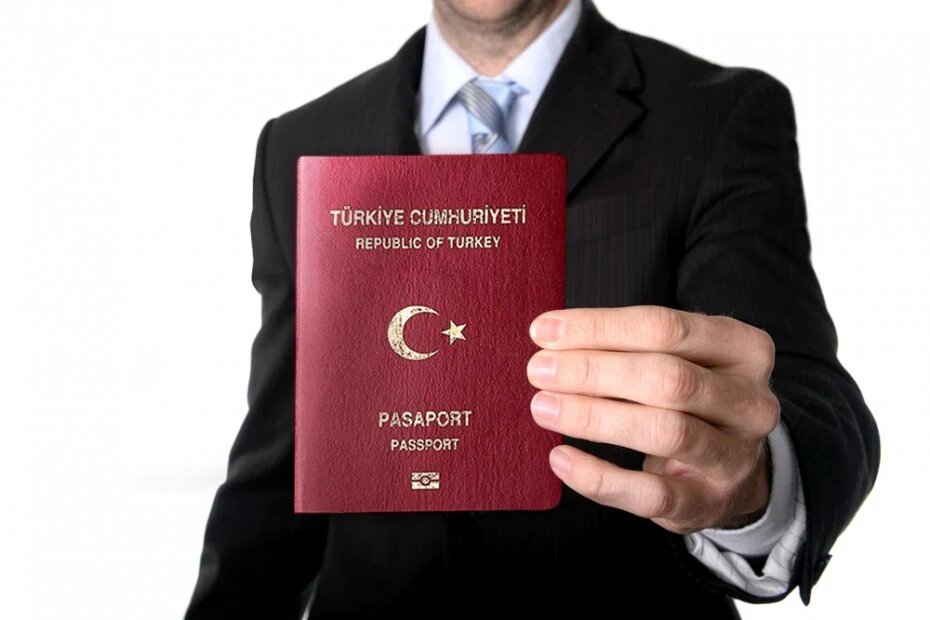
The total cost of Turkish citizenship through property investment is not only the qualifying property price. Foreign buyers should budget the USD 400,000 investment (official valuation basis), standard purchase fees of roughly 5–7% on top of the declared TAPU value, official valuation and legal costs, plus citizenship application expenses such as translations, notary work, and government processing fees.
Listing price alone is a poor budget model. Citizenship files depend on traceable payments, registry values, and complete documentation—unexpected gaps in the fee stack are a common reason applications stall after the property is already bought.
This guide explains Turkish citizenship costs and fees for property investors: what you pay at purchase, what the citizenship file adds, and how to plan a realistic all-in budget. For the step sequence, see the citizenship process guide; to compare residency, see citizenship vs residency; for general purchase fees, see property expenses in Turkey.
Total Cost Overview
Think in four layers:
- Qualifying property investment — typically at least USD 400,000 on official valuation (not always equal to the marketing price).
- Standard acquisition costs — title deed tax, notary, translation, legal review, banking, and registry-related charges.
- Citizenship-specific costs — valuation reports, dossier preparation, sworn translations, and government application fees.
- Holding and ownership costs — maintenance (aidat), local property tax, insurance, and utilities during any required holding period.
Rules and fee schedules can change. Confirm current amounts with qualified legal counsel before you sign a contract or transfer funds.
Cost Breakdown Table (Indicative)
| Cost category | Typical basis | Indicative range |
|---|---|---|
| Qualifying property | Official valuation | USD 400,000+ (program minimum) |
| Title deed transfer tax | Declared TAPU value | 4% of declared value (buyer/seller split per transaction structure) |
| TAPU registry fee | Administrative | Fixed registry charge (modest; confirm at transfer) |
| Official property valuation | Per property / report | Varies by city and asset type |
| Legal and due diligence | Professional fees | Often €500–€1,500+ depending on scope |
| Notary and translations | Documents and appointments | €200–€800+ depending on family size |
| Citizenship application fees | Government schedule | Confirm at filing date |
| Sworn translations & apostille | Per document / country | Varies widely by origin country |
| Annual property tax (emlak vergisi) | Assessed value | Typically 0.1%–0.2% per year |
| Maintenance (aidat) | Building / site | Often €30–€150+ per month |
Percentages are illustrative. Your contract structure, declared TAPU value, and family file size change the real total.
Example Investment Budget
Illustrative all-in budget for a single main applicant (confirm current fees with legal counsel; amounts may vary):
- Property (official valuation basis): USD 400,000
- Purchase taxes and registry fees: ~USD 16,000
- Legal review + official valuation: ~USD 3,500
- Translations, notary, and citizenship filing documents: ~USD 2,000
- Estimated total (indicative): ~USD 421,500
This answers the practical question buyers ask: how much money do I actually need?—not only what each cost category is called. Add family members, travel for fingerprints, and embassy-stage costs if they apply to your file.
Property Investment Threshold
Citizenship budgeting starts with the official valuation, not the developer’s list price. A property marketed above $400,000 can still fail the investment test if the government valuation report comes in lower.
Buyers sometimes combine multiple properties to reach the threshold. Each asset must comply with program rules, and the combined valuation must be documented correctly—not assumed from invoices alone.
Purchase-Side Costs (Before Citizenship Filing)
These are the same core fees most foreign buyers pay when acquiring Turkish real estate:
- Title deed transfer tax — calculated on the declared value recorded at the Land Registry, not necessarily the contract price.
- Legal review — title checks, contract alignment, and risk flags before you pay large deposits.
- Notary and translations — passports, powers of attorney, and contractual documents where required.
- Banking and transfer costs — international wires, exchange spreads, and traceability for citizenship payment proof.
- Official valuation report — required for citizenship eligibility evidence, ordered in the correct format for the file.
See TAPU transfer and property lawyer in Turkey for how these fit the wider purchase.
Citizenship Application Costs
After TAPU and valuation, the citizenship dossier adds its own line items:
- Government application and processing fees (per current schedule)
- Biometric photos and identity documentation for each applicant
- Sworn Turkish translations of passports, birth, and marriage certificates
- Apostille or legalisation of foreign documents where required
- Tax identification number setup if not already obtained
- Professional coordination or legal support for file submission and follow-up
- Lawyer fees for remote handling (purchase coordination, bank account opening, online filing, embassy-stage guidance)
- Travel for the ~2-day biometric fingerprint visit in Turkey (flights and stay—minimal compared with relocating)
Family applications multiply translation and document costs. Planning for spouse and children under 18 early avoids last-minute courier and rush fees. You generally do not budget for long-term relocation—interim investor residence during review and final passport collection at a Turkish embassy abroad are part of the normal workflow, not extra luxury add-ons.
Ongoing Costs During Holding Period
Program rules may require you to retain qualifying property for a minimum period. During that time, budget for:
- Monthly maintenance (aidat) in apartments and resort complexes
- Annual local property tax
- Building insurance and optional contents cover
- Utility subscriptions if the property is furnished or rented
- Property management if you are not in Turkey year-round
These are not citizenship filing fees, but they affect your true all-in economics—especially on off-plan or resort stock.
Common Budget Mistakes
- Budgeting only the listing price — ignore valuation risk at your peril.
- Forgetting the 4% title deed tax on declared value, not market price.
- Assuming bank mortgage property qualifies — financing structure can affect citizenship eligibility; confirm before you apply for a loan.
- Late translations — rush fees and missed filing windows add cost and delay.
- No reserve for family documents — each dependent adds notary, translation, and logistics.
How Citizenship Costs Differ From a Standard Purchase
A lifestyle or rental purchase at €250,000 has a smaller fee stack and no citizenship dossier. A citizenship-oriented purchase at USD 400,000 adds:
- Higher capital at risk in the qualifying asset
- Stricter payment traceability and valuation compliance
- Additional government and documentation costs for nationality filing
- Potential holding-period constraints before resale
If passport outcome is the goal, the property must still work as real estate—location, liquidity, and legal status—not only as a checkbox for the threshold.
Frequently Asked Questions
Is the property price the only cost for Turkish citizenship?
No. You should budget purchase taxes and fees, valuation and legal costs, citizenship application expenses, and ongoing ownership costs during any required holding period.
Is the 4% title deed tax based on the full purchase price?
It is generally calculated on the declared value recorded for the TAPU transfer, which is often lower than the market price shown in marketing materials.
Can I reduce costs by declaring a lower TAPU value?
Declared values must follow legal registry rules. Artificially low declarations can create compliance problems for both the purchase and the citizenship file.
Do family members increase citizenship application costs?
Yes. Each included applicant typically adds translations, photos, and document legalisation work. Spouse and dependent children under 18 are commonly included when the main applicant qualifies.
Are citizenship-eligible listings more expensive?
They are often priced at or above the program threshold, but eligibility depends on official valuation and legal status—not the marketing label alone. Review citizenship-eligible properties with full due diligence.
Do I need to budget for living in Turkey during the application?
Usually no. Most legal work is remote. Budget a short trip for fingerprints (~2 days in Turkey) and later embassy collection in your home country—not months of residence costs unless you choose to stay for lifestyle reasons.
Where should I get a full purchase fee breakdown?
For non-citizenship-specific purchase fees, see our property expenses in Turkey guide. For the citizenship sequence after budgeting, continue to the citizenship process guide.
View Citizenship-Eligible Properties
When your all-in budget aligns with the current USD 400,000 threshold plus fees, review listings positioned for citizenship-oriented buyers.

