


Turkish Citizenship Process by Property Investment
From Qualifying Property Purchase to Citizenship Application
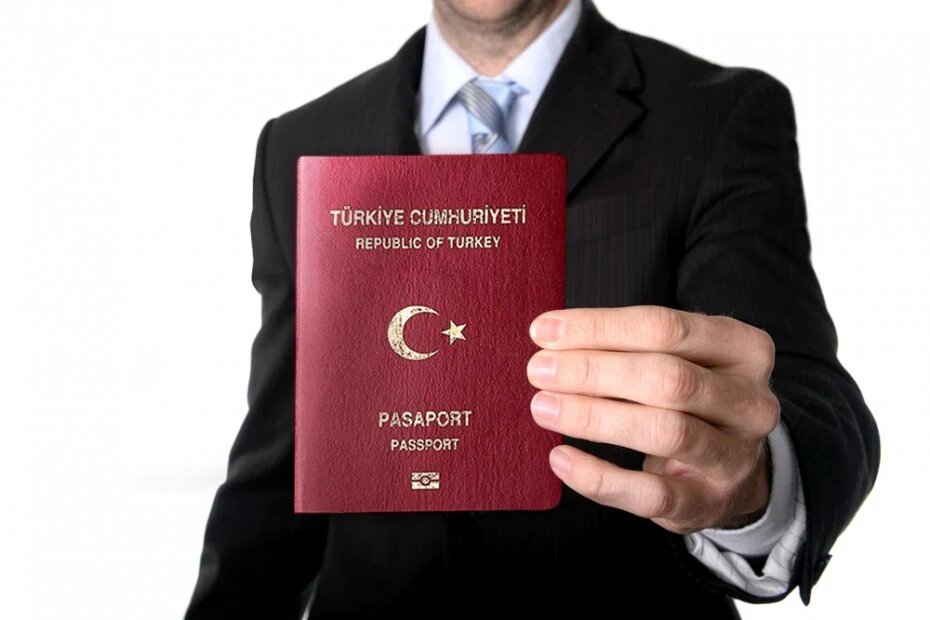
Foreign buyers can apply for Turkish citizenship through qualifying real estate investment when the official valuation of their property purchase meets at least USD 400,000, the title deed (TAPU) is registered correctly, and the application file is complete.
The property purchase and the citizenship application are related but separate tracks. You first buy and register the property, then submit the citizenship file with valuation reports, payment proof, and identity documents. Most of this can be completed remotely through your lawyer; applicants typically need only about two days in Turkey for biometric fingerprints, then collect the passport and ID from a Turkish embassy abroad after approval.
While the file is processing, investors usually receive investor-related residence permission and multi-entry travel support for eligible family members included in the application—not the final passport yet, but legal stay during review.
This guide explains the Turkish citizenship process by property investment for international buyers who already shortlist property or hold a reservation. It connects the legal sequence from eligibility and due diligence through TAPU transfer and application submission. For the underlying purchase workflow, see our property purchasing process in Turkey; for title deed mechanics, see the TAPU guide.
Who This Process Is For
The citizenship-by-investment route suits buyers who want Turkish nationality for themselves and eligible family members, not only a holiday home or rental asset. The property must make sense as real estate first—location, legal status, and liquidity—before it is treated as a citizenship vehicle.
- Main applicant investing at or above the current USD 400,000 threshold (official valuation basis)
- Spouse and dependent children under 18 generally included when the main applicant qualifies
- Buyers combining more than one property when total official valuation meets the threshold
Program rules, exchange rates, and document requirements can change. Confirm the current framework with qualified legal counsel before you transfer funds or sign binding contracts.
Step-by-Step: Turkish Citizenship by Property Investment
- Confirm eligibility and strategy. Define whether citizenship, residency, lifestyle use, or rental income is the primary goal. This affects city, property type, and budget.
- Shortlist qualifying property. Review citizenship-eligible listings and verify each asset against location, developer track record, and title status—not marketing labels alone.
- Complete legal and technical due diligence. Check TAPU history, debts, zoning, military clearance where applicable, and whether the seller can transfer clean ownership.
- Sign the sale contract and pay according to the agreed schedule. Use traceable bank transfers aligned with registry and citizenship documentation requirements.
- Obtain the official property valuation report. Citizenship files rely on government-approved valuation—not only the contract price or listing price.
- Complete the TAPU transfer at the Land Registry. Ownership must be registered in the buyer’s name (or approved structure) before the citizenship file is treated as complete on the property side.
- Prepare the citizenship application dossier. Collect passports, translations, tax ID, valuation, TAPU, payment proofs, and family documents as required at the time of filing.
- Submit the application and respond to requests. Authorities may ask for clarifications on source of funds, valuations, or family status.
- Receive the decision and complete post-approval steps. Timeline varies with document quality and application volume; plan travel and translations accordingly.
Required Documents (Typical File)
Exact lists are set by the authority processing applications at the time of filing. Buyers usually prepare the following categories:
- Valid passports and biometric photos for each applicant
- Turkish tax identification number for the main applicant
- Official property valuation report(s) for the qualifying real estate
- TAPU (title deed) showing registered ownership
- Proof of payment for the property (bank transfer records, receipts)
- Sworn translations of foreign documents into Turkish
- Marriage and birth certificates for family members included in the application
- Power of attorney if a representative files or signs on your behalf
- Application forms and receipts for government fees
Start translations and apostille/legalisation early if documents are issued outside Turkey. Missing one certificate often delays the entire file.
Property Valuation and TAPU Stage
Two stages cause the most confusion: valuation and TAPU registration.
Official valuation
The citizenship threshold is assessed against the official valuation prepared for registry and compliance purposes, not necessarily the price shown on a listing or promotional material. If valuation comes in below the contract price, the file may fail the investment test even when you paid more on paper.
Before you commit, ask whether the property type, size, and location are realistic for the valuation band you need (currently $400,000 minimum in qualifying cases).
TAPU (title deed) transfer
Legal ownership is finalized at the Land Registry (TAPU). Until TAPU is issued in your name, you do not have the registered ownership evidence the citizenship process expects. The sequence is normally: due diligence → contract → payments per schedule → valuation → registry appointment → TAPU issued.
Foreign buyers often use a power of attorney when they cannot attend the registry appointment in person. The attorney does not own the property; the TAPU still lists you as owner.
Remote Process: Lawyer-Led Filing and Minimal Time in Turkey
A point many foreign buyers miss: you do not need to live in Turkey or make repeated trips to complete citizenship by property investment. With a properly structured file and an experienced lawyer, most of the process is handled remotely.
What your lawyer can arrange without you relocating
- Property purchase coordination — due diligence, contract review, and purchase steps aligned with citizenship rules (often with power of attorney for registry steps)
- Opening a Turkish bank account — required for traceable payments and many file structures
- Citizenship application preparation and submission — dossier assembly, online or administrative filing channels as applicable, and follow-up with authorities
- Document translations, tax ID, and file corrections — handled in Turkey on your behalf
You still choose the property and approve major decisions. The lawyer executes the legal workflow—not a marketing agent acting alone.
Investor residence permit and family travel during the application
While the citizenship application is under review, applicants are typically placed on an investor-related residence track that supports legal stay in Turkey during processing. In practice this means:
- The main applicant receives residence status suited to the investment citizenship file (often discussed as an investor residence permit in the industry)
- Eligible family members included in the same citizenship application (spouse and dependent children under 18, subject to current rules) generally receive linked residence permission and multi-entry travel facilitation for Turkey while the file is active
This is not the final citizenship outcome—it is interim legal stay and entry support while authorities review the nationality file. Exact permit names and stamp rules change; your lawyer confirms the current investor-residence category for your case.
Only two days in Turkey: biometric fingerprints
The main in-person requirement for the applicant is short: approximately two days in Turkey to register biometric fingerprints in the national system. That fingerprint appointment is the critical physical step tied to identity records for citizenship processing.
Outside that visit, ongoing presence in Turkey is not generally required for purchase coordination (when using power of attorney), file submission, or waiting during authority review.
Passport and ID: collect at the Turkish embassy abroad
After approval, Turkish citizenship documents are normally collected from the Turkish embassy or consulate in your country of residence—for example the Turkish passport and Turkish national ID card (kimlik).
- You do not usually need to return to Turkey solely to pick up the passport
- Embassy appointments, additional photos, and local collection timelines vary by consulate
- Family members included in the approval follow the consular process applicable to each person
Plan embassy logistics with your lawyer once the approval letter stage is reached.
Immigration practice evolves. Residence categories, visa stamps, fingerprint scheduling, and consular collection rules must be confirmed with qualified Turkish legal counsel at the time of your application—not inferred from old forum posts or sales brochures.
Application Timeline (Indicative)
Timelines depend on document readiness, property type, and how quickly valuation and TAPU are completed—not on the purchase date alone.
| Stage | Typical duration | What slows it down |
|---|---|---|
| Property search and due diligence | 2–8 weeks | Unclear title, off-plan delays, buyer indecision |
| Contract and payments | 1–6 weeks | Cross-border transfers, developer milestones |
| Valuation + TAPU | 2–6 weeks | Missing translations, registry backlog |
| Citizenship file preparation | 2–4 weeks | Apostille, family documents, translations |
| Authority review | 3–6 months (variable) | Incomplete file, valuation queries, peak volume |
| Biometric visit (Turkey) | ~2 days | Scheduling, travel planning—only mandatory in-person step for many files |
| Passport / ID collection | 1–4 weeks (variable) | Embassy appointment availability in your country |
Many buyers who prepare documents in parallel with the purchase finish faster than those who treat citizenship paperwork as an afterthought.
Common Mistakes to Avoid
- Assuming every Turkish property qualifies. Only assets that meet valuation, zoning, and compliance rules are suitable.
- Using listing price as the citizenship threshold. Official valuation and TAPU declared values govern the test.
- Paying deposits before title checks. Verify legal status before large transfers.
- Ignoring the holding period. Program rules may require you to retain the property for a minimum period; confirm before resale plans.
- Mixing bank mortgage structures incorrectly. Some financing models affect eligibility; confirm with counsel before you apply for a loan.
- Late translations. Plan sworn translations and tax ID early.
- Combining incompatible goals. A weak rental asset in a thin market is still a weak asset—even if it crosses 400,000 USD on paper.
Frequently Asked Questions
What is the minimum property investment for Turkish citizenship?
Under current regulations, qualifying real estate investment is typically at least USD 400,000 based on official valuation, subject to registry rules and compliance checks at the time of application.
Can I combine two or more properties?
In many cases, yes—when the combined official valuation meets the threshold and each property complies with program rules. Structure and timing should be planned before purchase, not after.
Does the citizenship application start before TAPU?
The property side should reach a clear registered ownership stage with valuation in place. Filing with an incomplete property file usually creates delays or rejection.
Can my family apply with me?
Spouse and dependent children under 18 are generally included when the main applicant qualifies, subject to current immigration rules and complete family documentation.
How long does citizenship take after buying property?
After TAPU and a complete dossier, authority review often takes several months, but total time includes how long your purchase and documentation took. Well-prepared files move faster.
Do I need to live in Turkey during the application?
No. Most buyers complete purchase coordination, banking, and citizenship filing remotely through a lawyer. You normally need only a short visit—about two days—for biometric fingerprint registration in Turkey. After approval, passport and Turkish ID are usually collected from the Turkish embassy or consulate in your home country.
What residence status do I have while waiting?
During review, the main applicant is typically placed on an investor-related residence track, with linked permission for eligible family members in the same file. This supports legal stay and multi-entry travel to Turkey while the citizenship decision is pending—not the same as holding the final Turkish passport.
Should I use a lawyer?
Independent legal review is strongly recommended—and in practice a lawyer runs most steps remotely: title checks, bank account opening, file submission, and authority follow-up. See our property lawyer in Turkey guide for how legal support fits the wider purchase.
View Citizenship-Eligible Properties
If your budget aligns with the current USD 400,000 threshold, the next practical step is to review verified listings that are positioned for citizenship-oriented buyers.
For purchase costs beyond the property price, see property expenses in Turkey. For background on regulatory changes, see Turkish citizenship law updates (news)—secondary to this process guide.

